

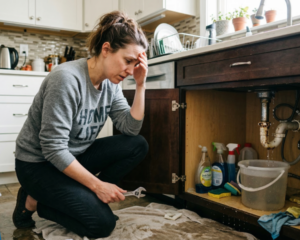
 Not every plumbing problem starts with a burst pipe or a major flood. In fact, many of the most costly plumbing issues begin with something much smaller: a slow leak that goes unnoticed for weeks or even months.
Even a small drip can waste water, increase your utility bills, and eventually cause damage to your home. Knowing where to look and when to call a professional can help prevent small plumbing leaks from turning into big problems.
Common Places Small Leaks Can Develop
Some leaks are easy to spot, but others develop in areas that homeowners don’t check very often. A few of the most common sources of slow plumbing leaks include:
- Faucets and showerheads that continue dripping after being turned off
- Under-sink plumbing connections that loosen over time
- Toilets with worn internal components that allow water to run continuously
- Appliance connections for dishwashers, refrigerators, or washing machines
- Outdoor hose bibs that may crack or leak after winter weather
Because these leaks often start slowly, they can go unnoticed until the damage becomes more serious.
The Hidden Damage Small Leaks Can Cause
While a dripping faucet may seem like a minor inconvenience, small leaks can create several long-term problems for your home.
Water that collects under cabinets, behind walls, or around fixtures can damage flooring, drywall, and cabinetry. Over time, persistent moisture can also lead to unpleasant odors and other indoor air quality concerns.
In addition, even small leaks can waste a surprising amount of water. A faucet that drips once per second can waste hundreds of gallons of water each year.
Signs You May Have a Hidden Plumbing Leak
Some leaks occur out of sight, but there are often warning signs that something isn’t quite right. Homeowners should keep an eye out for:
- Unexpected increases in water bills
- Water stains on ceilings or walls
- Damp areas under sinks or around appliances
- The sound of running water when fixtures are not in use
- Musty or damp odors in certain areas of the home
If you notice any of these signs, it’s a good idea to have your plumbing system inspected.
When to Call a Professional Plumber
While some minor leaks can be fixed with simple repairs, others may indicate larger plumbing issues that require professional attention. A trained plumber can identify the source of the leak, repair damaged components, and ensure your plumbing system is operating properly. Addressing problems early helps prevent more extensive repairs later.
Protect Your Home from Plumbing Problems with Boelcke
Small plumbing leaks may seem harmless at first, but they can quickly lead to bigger issues if left unchecked. Routine inspections and timely repairs help protect your home and keep your plumbing system running smoothly.
If you suspect a leak or need help with plumbing repairs, the team at Boelcke Heating, Cooling & Plumbing is here to help. Contact us today to schedule service and keep your home’s plumbing system in top condition.
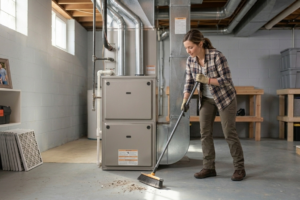 As temperatures begin to warm up across Michigan, many homeowners are finally ready to give their furnaces a well-deserved break. After working hard all winter to keep your home comfortable, your heating system deserves a little attention before it powers down for the season. Taking a few simple steps now can help protect your furnace, improve efficiency, and make sure it’s ready to go when cooler weather returns.
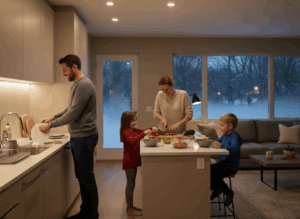 During the winter months, your water heater has to work harder than usual. Colder groundwater temperatures mean it takes more energy to heat the water your family uses every day, from hot showers to washing dishes and doing laundry.
 When winter arrives and temperatures drop, our homes become sealed sanctuaries from the cold. Windows stay shut, doors open less often, and we rely on our heating systems to keep us comfortable. While that cozy, closed-up environment helps conserve energy and maintain warmth, it can also impact your home’s indoor air quality in ways many homeowners don’t realize.
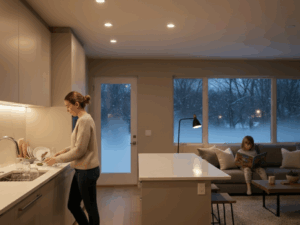 Frozen pipes are one of the most common winter plumbing problems Michigan homeowners face. When water freezes, it expands, putting pressure on pipes and increasing the risk of bursts and water damage. Fortunately, a few preventive steps can greatly reduce the risk.
 Michigan winters put your furnace to the test. When temperatures drop, and your system is running day and night, even small issues can turn into uncomfortable (and costly) problems. The good news? A few simple steps can help keep your furnace running efficiently and reliably all winter long.
 The winter season brings cozy gatherings, festive decorations, and colder temperatures across Michigan. While your heating system works hard to keep your home warm, it’s important to keep safety top of mind, especially when homes are busier and systems are running more often than usual.
 Bathroom plumbing works hard every day, so it’s no surprise that issues can pop up from time to time. The good news is that many of the most common problems are easy to spot early and are often preventable. Here’s a quick guide to help you keep your bathroom running smoothly.
 If you’ve been thinking about updating your home heating system, now is a great time to take action. The federal tax credit for qualifying heating upgrades, including heat pumps, is currently $2,000, but it’s set to expire on December 31, 2025.
 Your home’s heating and cooling system works hard to keep you comfortable all year long. But like any complex piece of equipment, it performs best when it receives regular attention. Annual HVAC maintenance is not just nice to have; it’s essential for keeping your system efficient, reliable, and safe.