

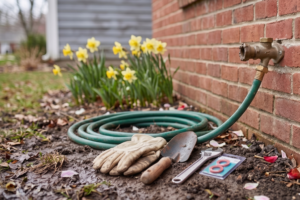
 When the ground finally thaws in Michigan, most of us are thinking about gardens and patios, not pipes. However, your outdoor plumbing has been through a long winter, and it’s important to make sure everything is still watertight before you start heavy watering.
Checking Your Hose Bibs
The most common issue after a cold winter is a cracked outdoor faucet—or hose bib. Even if you disconnected your hoses last fall, small amounts of trapped water can freeze and expand, causing internal damage that isn’t always obvious.
To test your hose bibs:
- Inspect the exterior: Look for any visible cracks or dripping around the handle or spout.
- The “Thumb Test”: Turn the water on and place your thumb over the opening. If you can easily stop the flow of water, there’s likely a leak inside the pipe leading to the faucet.
- Check the basement: While the water is running, have someone look inside the house where the pipe enters the wall to ensure no water is spraying indoors.
Inspecting Your Sprinkler System
Before you set your timers for the season, take a walk around the yard while the zones are running. You’re looking for more than just a wet lawn.
- Look for “Geysers”: A broken sprinkler head can waste hundreds of gallons of water in a single cycle.
- Check for Soggy Spots: If one area of your lawn is consistently muddy but the heads aren’t reaching it, you might have a leak in an underground line.
- Clear the Obstructions: Over the winter, dirt or grass may have grown over the heads. A quick clearing ensures the spray pattern stays efficient.
When to Call in a Boelcke Pro
Most outdoor plumbing prep is a simple DIY task. However, if you find a leak behind a wall or a split underground pipe, it’s best to address it sooner rather than later. A quick professional fix can prevent an exorbitant water bill or potential foundation issues down the road.
Concerned that your outdoor plumbing might not be ready for the summer season? Boelcke is here to help. Just give us a call and we will be more than happy to schedule an appointment with you.
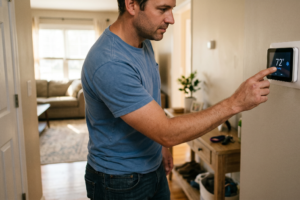 When the humidity starts to climb in Michigan, your air conditioner quickly becomes the hardest-working appliance in your home. While you can’t control the outdoor temperature, you can control how hard your system has to work to keep up.
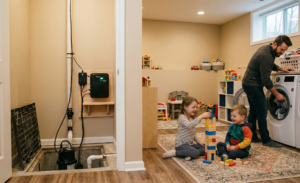 In Michigan, spring is a season of transition. As the ground begins to thaw and those familiar heavy rains arrive, your home’s plumbing system has a significant job to do. One of the most important components during this time is your sump pump.
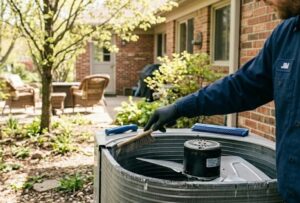 When your air conditioner is working, it is easy to let it fade into the background. You set the thermostat, the house cools down, and you go about your day. However, behind the scenes, your system is working hard to keep up with rising temperatures.
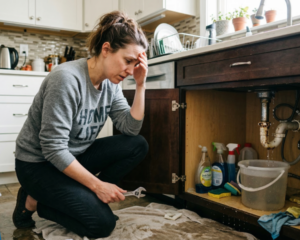 Not every plumbing problem starts with a burst pipe or a major flood. In fact, many of the most costly plumbing issues begin with something much smaller: a slow leak that goes unnoticed for weeks or even months.
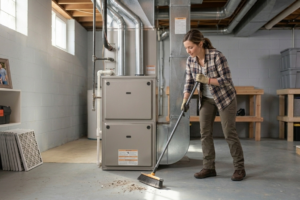 As temperatures begin to warm up across Michigan, many homeowners are finally ready to give their furnaces a well-deserved break. After working hard all winter to keep your home comfortable, your heating system deserves a little attention before it powers down for the season. Taking a few simple steps now can help protect your furnace, improve efficiency, and make sure it’s ready to go when cooler weather returns.
 During the winter months, your water heater has to work harder than usual. Colder groundwater temperatures mean it takes more energy to heat the water your family uses every day, from hot showers to washing dishes and doing laundry.
 When winter arrives and temperatures drop, our homes become sealed sanctuaries from the cold. Windows stay shut, doors open less often, and we rely on our heating systems to keep us comfortable. While that cozy, closed-up environment helps conserve energy and maintain warmth, it can also impact your home’s indoor air quality in ways many homeowners don’t realize.
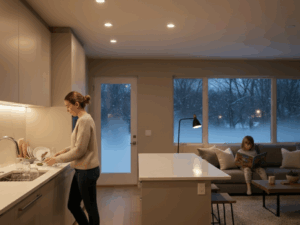 Frozen pipes are one of the most common winter plumbing problems Michigan homeowners face. When water freezes, it expands, putting pressure on pipes and increasing the risk of bursts and water damage. Fortunately, a few preventive steps can greatly reduce the risk.
 Michigan winters put your furnace to the test. When temperatures drop, and your system is running day and night, even small issues can turn into uncomfortable (and costly) problems. The good news? A few simple steps can help keep your furnace running efficiently and reliably all winter long.