

 As the weather cools down in Michigan, your furnace starts doing the heavy lifting to keep your home warm and cozy. While modern heating systems are built with safety in mind, keeping up with a few basic precautions is essential to protect your home and family all winter long.
Here are the most critical furnace safety tips every homeowner should know before turning up the thermostat.
1. Maintain Clearance Around Your Furnace
It’s easy for the basement or utility closet to become a dumping ground for extra household items. However, your furnace needs adequate space to operate safely.
- Keep a 3-foot buffer: Maintain at least three feet of clear, unobstructed space all around your furnace.
- Avoid storing combustibles: Never store paint, gasoline, cleaning chemicals, rags, or cardboard boxes near the heating unit, as the heat can ignite flammable vapors.
2. Protect Your Home from Carbon Monoxide
Furnaces that burn natural gas or propane produce combustion gases, including carbon monoxide (CO). When a system functions properly, these gases are safely vented outdoors. If a leak or blockage occurs, however, carbon monoxide can enter your living space.
- Install CO detectors: Place carbon monoxide detectors on every level of your home, especially near sleeping areas.
- Test detectors monthly: Press the test button regularly to ensure batteries and alarms are functioning properly.
- Know the symptoms: Carbon monoxide is invisible and odorless. Symptoms of exposure include headaches, dizziness, nausea, and fatigue. If your alarm goes off or you suspect a leak, exit the house immediately and call emergency services.
3. Replace Air Filters Regularly
A clogged, dirty air filter restricts airflow through your heating system. This forces the furnace to work much harder to warm your home, which can cause internal components to overheat and trip safety shut-off switches.
- Check filters monthly: Inspect your air filter once a month during heavy heating season, and replace it as soon as it appears dusty or full.
- Protect system components: Fresh filters improve indoor air quality and prevent heat buildup inside the unit.
4. Keep Vents and Flues Clear
Blocked exhaust vents or return air grilles can disrupt system pressure and push harmful gases back into your home.
- Inspect outdoor vents: Ensure outside exhaust pipes remain free of leaves, snow, ice, or animal nests.
- Uncover indoor registers: Make sure furniture, drapes, and rugs aren’t blocking supply or return vents throughout your rooms.
5. Schedule Annual Professional Inspections
The most effective way to ensure furnace safety is a thorough annual inspection by a qualified technician.
During a routine safety check, a technician will check the heat exchanger for cracks, test safety controls, inspect fuel lines, and verify that exhaust gases are venting safely out of your home.
Stay Safe and Warm This Season
Taking a few minutes to check around your furnace and test your alarms makes a big difference in keeping your home secure.
If you have questions about your heating system or want to ensure your furnace is operating safely this winter, reach out to the team at Boelcke. We’re here to help keep your Michigan home comfortable and safe.
 When Michigan’s crisp autumn days begin to settle in, heating is often far from top of mind. However, weather in Southwest and Mid-Michigan changes quickly. A mild September afternoon can easily turn into a freezing overnight freeze.
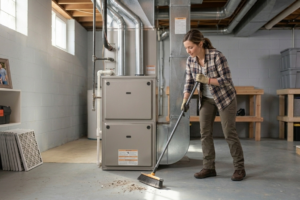 As temperatures begin to warm up across Michigan, many homeowners are finally ready to give their furnaces a well-deserved break. After working hard all winter to keep your home comfortable, your heating system deserves a little attention before it powers down for the season. Taking a few simple steps now can help protect your furnace, improve efficiency, and make sure it’s ready to go when cooler weather returns.
 Michigan winters put your furnace to the test. When temperatures drop, and your system is running day and night, even small issues can turn into uncomfortable (and costly) problems. The good news? A few simple steps can help keep your furnace running efficiently and reliably all winter long.
 The winter season brings cozy gatherings, festive decorations, and colder temperatures across Michigan. While your heating system works hard to keep your home warm, it’s important to keep safety top of mind, especially when homes are busier and systems are running more often than usual.
 Your home’s heating and cooling system works hard to keep you comfortable all year long. But like any complex piece of equipment, it performs best when it receives regular attention. Annual HVAC maintenance is not just nice to have; it’s essential for keeping your system efficient, reliable, and safe.

 As winter approaches, ensuring your home is warm and cozy becomes a top priority. With various heating options available, it’s important to understand the benefits of each system to make an informed decision. Here’s a look at the advantages of ductless heating, furnaces, boilers, and heat pump systems.
 The holiday season is a time for gathering with family and friends, celebrating traditions, and creating cherished memories. As you prepare to welcome guests into your home, it’s important to ensure that your space is comfortable and accommodating. Here are some tips to make your home guest-friendly this holiday season, including a few that highlight the importance of your HVAC and plumbing systems.
 As the fall season sets in and Halloween approaches, it’s the perfect time to think about the spooky surprises that could be lurking in your home. No, we’re not talking about ghosts or goblins—we mean the ghastly consequences of neglecting your heating system! Just like the eerie shadows that dance on your walls, a poorly maintained heating system can bring some unwelcome frights. Let’s dive into the scary things that can happen when you skip on heating maintenance and why it’s crucial to keep your system in tip-top shape.