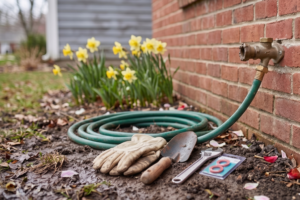
Get Your Outdoor Plumbing Ready for Spring

When the ground finally thaws in Michigan, most of us are thinking about gardens and patios, not pipes. However, your outdoor plumbing has been through a long winter, and it’s important to make sure everything is still watertight before you start heavy watering.

Checking Your Hose Bibs

The most common issue after a cold winter is a cracked outdoor faucet—or hose bib. Even if you disconnected your hoses last fall, small amounts of trapped water can freeze and expand, causing internal damage that isn’t always obvious.

To test your hose bibs:

  • Inspect the exterior: Look for any visible cracks or dripping around the handle or spout.
  • The “Thumb Test”: Turn the water on and place your thumb over the opening. If you can easily stop the flow of water, there’s likely a leak inside the pipe leading to the faucet.
  • Check the basement: While the water is running, have someone look inside the house where the pipe enters the wall to ensure no water is spraying indoors.

Inspecting Your Sprinkler System

Before you set your timers for the season, take a walk around the yard while the zones are running. You’re looking for more than just a wet lawn.

  • Look for “Geysers”: A broken sprinkler head can waste hundreds of gallons of water in a single cycle.
  • Check for Soggy Spots: If one area of your lawn is consistently muddy but the heads aren’t reaching it, you might have a leak in an underground line.
  • Clear the Obstructions: Over the winter, dirt or grass may have grown over the heads. A quick clearing ensures the spray pattern stays efficient.

When to Call in a Boelcke Pro

Most outdoor plumbing prep is a simple DIY task. However, if you find a leak behind a wall or a split underground pipe, it’s best to address it sooner rather than later. A quick professional fix can prevent an exorbitant water bill or potential foundation issues down the road.

Concerned that your outdoor plumbing might not be ready for the summer season? Boelcke is here to help. Just give us a call and we will be more than happy to schedule an appointment with you.
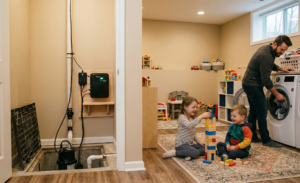
Spring Thaw & Heavy Rains: Is Your Sump Pump Ready?

In Michigan, spring is a season of transition. As the ground begins to thaw and those familiar heavy rains arrive, your home’s plumbing system has a significant job to do. One of the most important components during this time is your sump pump.
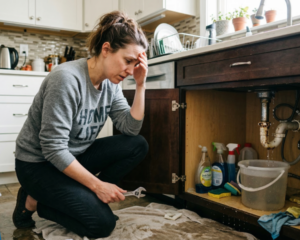
When it’s working correctly, you probably don’t think about it. But when a sump pump fails during a storm, the result is often a wet basement and an expensive cleanup. Taking a few minutes now to ensure your pump is ready for the seasonal workload can save you a lot of trouble later.

Why the Spring Thaw Matters

As snow melts and the ground softens, the water table around your foundation rises. This puts “hydrostatic pressure” on your basement walls and floor. A sump pump’s job is to collect that water and move it safely away from your home. During a Michigan spring, a pump might run more in a single week than it did all winter. This increased demand is often when underlying issues finally surface.

Simple Steps to Test Your Sump Pump

You don’t need to be a plumbing expert to perform a basic check on your system. Before the next big rain, try these steps:

  • The “Bucket Test”: Slowly pour a five-gallon bucket of water into the sump pit. The float should rise, the pump should kick on, and the water level should drop quickly.
  • Check the Discharge Line: Ensure the pipe leading away from your home is clear of debris, mulch, or leftover ice. If the water has nowhere to go, the pump will work harder and eventually fail.
  • Listen for Unusual Noises: A healthy pump should hum. If you hear grinding, thumping, or excessive vibration, it may be a sign of a worn motor or a damaged impeller.
  • Inspect the Power Cord: Ensure the pump is plugged into a grounded outlet and that the cord is in good condition.

The Importance of a Backup Plan

Heavy spring storms often bring power outages. Since most sump pumps run on electricity, a power failure during a rainstorm leaves your basement vulnerable.

A battery backup system can provide peace of mind. These secondary pumps take over if the main power goes out or if the primary pump can’t keep up with the volume of water. It’s a practical investment in protecting your home’s foundation and your belongings.

When to Call the Pros at Boelcke

If your pump is more than seven to ten years old, or if it struggled to keep up during the last rainy season, it may be time for a professional look. Routine maintenance can catch issues like a stuck switch or a clogged intake screen before they lead to a basement flood.

At Boelcke, we believe in straightforward solutions and helping you stay ahead of home maintenance. If you’re concerned about your sump pump or need help installing a backup system, we’re here to help keep your Michigan home dry and comfortable this spring. Just give us a call, and we will be more than happy to schedule an appointment with you.

Small Plumbing Leaks That Can Become Big Problems

Not every plumbing problem starts with a burst pipe or a major flood. In fact, many of the most costly plumbing issues begin with something much smaller: a slow leak that goes unnoticed for weeks or even months.

Even a small drip can waste water, increase your utility bills, and eventually cause damage to your home. Knowing where to look and when to call a professional can help prevent small plumbing leaks from turning into big problems.

Common Places Small Leaks Can Develop

Some leaks are easy to spot, but others develop in areas that homeowners don’t check very often. A few of the most common sources of slow plumbing leaks include:

  • Faucets and showerheads that continue dripping after being turned off
  • Under-sink plumbing connections that loosen over time
  • Toilets with worn internal components that allow water to run continuously
  • Appliance connections for dishwashers, refrigerators, or washing machines
  • Outdoor hose bibs that may crack or leak after winter weather

Because these leaks often start slowly, they can go unnoticed until the damage becomes more serious.

The Hidden Damage Small Leaks Can Cause

While a dripping faucet may seem like a minor inconvenience, small leaks can create several long-term problems for your home.
Water that collects under cabinets, behind walls, or around fixtures can damage flooring, drywall, and cabinetry. Over time, persistent moisture can also lead to unpleasant odors and other indoor air quality concerns.

In addition, even small leaks can waste a surprising amount of water. A faucet that drips once per second can waste hundreds of gallons of water each year.

Signs You May Have a Hidden Plumbing Leak

Some leaks occur out of sight, but there are often warning signs that something isn’t quite right. Homeowners should keep an eye out for:

  • Unexpected increases in water bills
  • Water stains on ceilings or walls
  • Damp areas under sinks or around appliances
  • The sound of running water when fixtures are not in use
  • Musty or damp odors in certain areas of the home

If you notice any of these signs, it’s a good idea to have your plumbing system inspected.

When to Call a Professional Plumber

While some minor leaks can be fixed with simple repairs, others may indicate larger plumbing issues that require professional attention. A trained plumber can identify the source of the leak, repair damaged components, and ensure your plumbing system is operating properly. Addressing problems early helps prevent more extensive repairs later.

Protect Your Home from Plumbing Problems with Boelcke

Small plumbing leaks may seem harmless at first, but they can quickly lead to bigger issues if left unchecked. Routine inspections and timely repairs help protect your home and keep your plumbing system running smoothly.

If you suspect a leak or need help with plumbing repairs, the team at Boelcke Heating, Cooling & Plumbing is here to help. Contact us today to schedule service and keep your home’s plumbing system in top condition.

Is Your Water Heater Working Overtime This Winter?

During the winter months, your water heater has to work harder than usual. Colder groundwater temperatures mean it takes more energy to heat the water your family uses every day, from hot showers to washing dishes and doing laundry.

If your system is already aging or struggling, winter can put extra strain on it, and that can lead to higher energy bills, reduced performance, or even unexpected breakdowns. In this article, we’ll talk about how to recognize an overworked water heater, what you can do to help it, and what we can do to help you.

Signs Your Water Heater May Be Overworking

Keep an eye out for these common warning signs:

  • Hot water runs out faster than normal
  • Water takes longer to heat up
  • Your energy bills are higher than expected
  • Strange noises like popping or rumbling
  • Water temperature is inconsistent

These issues often indicate sediment buildup, worn components, or a system that may be nearing the end of its lifespan.

How to Help Your Water Heater Perform Better

A few simple steps can help improve efficiency and extend the life of your system:

  • Lower the thermostat to around 120 degrees
  • Schedule routine maintenance to flush sediment
  • Insulate exposed hot water pipes
  • Spread out hot water usage when possible

Regular maintenance is one of the most effective ways to keep your water heater running efficiently year-round.

Know When It’s Time for an Upgrade from Boelcke

Most traditional water heaters last about 8 to 12 years. If yours is older or requires frequent repairs, replacing it with a newer, high-efficiency model can improve performance and lower energy costs.

The team at Boelcke Heating & Air Conditioning offers professional water heater maintenance, repair, and installation to help ensure your home always has reliable hot water. If you need help with your hot water, give us a call and we’ll be more than happy to schedule an appointment with you.

How to Prevent Frozen Pipes During Michigan Winters

Frozen pipes are one of the most common winter plumbing problems Michigan homeowners face. When water freezes, it expands, putting pressure on pipes and increasing the risk of bursts and water damage. Fortunately, a few preventive steps can greatly reduce the risk.

Keep Vulnerable Pipes Warm

Pipes in basements, crawl spaces, garages, and exterior walls are especially vulnerable. Insulating exposed pipes and sealing drafts can help protect them from freezing temperatures.

Let Faucets Drip During Extreme Cold

Allowing a small trickle of water to flow through faucets connected to vulnerable pipes can relieve pressure and reduce the chance of freezing during severe cold snaps.

Open Cabinet Doors

On especially cold days, opening cabinet doors under sinks allows warm air to circulate around pipes, an easy but effective preventative measure.

Disconnect Outdoor Hoses

Outdoor hoses left connected can trap water and lead to frozen pipes inside the home. Disconnect hoses and shut off exterior water supplies before temperatures drop.

Know the Warning Signs

Reduced water flow or unusual sounds when turning on faucets may indicate a frozen pipe. Acting quickly can prevent a burst and minimize damage.

If a pipe does freeze: Shut off the water supply and call a professional right away. Never use open flames to thaw pipes.

Need help with your plumbing? Trust Boelcke.

Preventing frozen pipes is far easier (and less stressful) than dealing with water damage. A few proactive steps can protect your home all winter long. But, if you do find yourself in a plumbing emergency, Boelcke can help.

Our experienced team is ready to answer your questions, address concerns, and keep your plumbing running smoothly year-round. Just give us a call and we’ll be happy to schedule an appointment at a time that works for you.

Common Bathroom Plumbing Problems and How to Prevent Them

Bathroom plumbing works hard every day, so it’s no surprise that issues can pop up from time to time. The good news is that many of the most common problems are easy to spot early and are often preventable. Here’s a quick guide to help you keep your bathroom running smoothly.
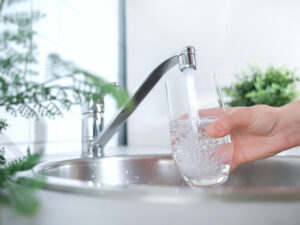
Leaky Faucets

A dripping faucet wastes water and can drive up your bill.

  • Why it happens: worn washers, loose parts, or mineral buildup.
  • Try this: tighten connections or replace the faucet’s washer or cartridge.
  • Prevent it: clean around the faucet regularly to reduce buildup.

Clogged Drains

Hair, soap, and everyday debris are the usual culprits.

  • Signs: slow draining, gurgling, or bad odors.
  • Try this: use a drain screen, remove visible debris, or use a gentle drain cleaner.
  • Prevent it: clean the screen weekly and avoid flushing anything other than water and soap residue.

Running Toilets

A constantly running toilet wastes a surprising amount of water.

  • Common causes: a worn flapper, a tangled chain, or a faulty fill valve.
  • Try this: check the chain and float or replace the flapper; it’s a quick, inexpensive fix.
  • Prevent it: inspect tank components every few months to catch wear early.

Low Water Pressure

If your shower feels weaker than usual, buildup may be to blame.

  • Try this: remove and soak the showerhead in vinegar to clear mineral deposits.
  • If it continues: the issue may be inside the plumbing and should be checked by a professional.

Dripping Showerheads

Often caused by worn rubber washers or loose connections.

  • Try this: remove and clean the showerhead and replace any worn washers.
  • Prevent it: regular descaling helps keep everything sealed and working properly.

A Little Maintenance Goes a Long Way

Most bathroom plumbing problems start small, and catching them early can save time, money, and stress. If you notice persistent leaks, clogs, or pressure issues, the licensed plumbers at Boelcke are here to help. We can diagnose problems quickly and provide reliable solutions to keep your bathroom in great shape. Just give us a call and we will be happy to help meet your plumbing needs.

How Water Softeners Improve Your Home’s Plumbing

A stream of clean water drink flows into the glass. Woman holding a glass of water under running water from the tap in the kitchenHard water might not be something you think about often, but it can have a significant impact on your home’s plumbing system. The minerals in hard water, primarily calcium and magnesium, can lead to scale buildup, clogged pipes, and reduced efficiency of appliances. Fortunately, installing a water softener can help combat these issues and extend the life of your plumbing fixtures.

How Water Softeners Work

Water softeners use a process called ion exchange to remove the minerals responsible for hardness. As water passes through a resin bed inside the softener, calcium and magnesium ions are exchanged for sodium or potassium ions, effectively softening the water before it reaches your faucets and appliances.

Benefits of a Water Softener for Your Plumbing

  1. Prevents Scale Buildup – Hard water causes scale deposits in pipes and fixtures, leading to blockages and inefficient water flow. A water softener eliminates this issue, keeping your plumbing in peak condition.
  2. Extends the Life of Appliances – Water heaters, dishwashers, and washing machines work harder when dealing with mineral buildup, causing wear and tear. Softened water helps appliances operate efficiently and last longer.
  3. Improves Water Flow and Pressure – Scale accumulation narrows pipes over time, reducing water pressure. By eliminating hard water minerals, a softener ensures smooth, unobstructed water flow.
  4. Reduces Plumbing Repairs – Mineral deposits can lead to costly repairs or even pipe replacements. A water softener minimizes maintenance needs, saving homeowners time and money.

Tips for Choosing the Right Water Softener

  • Consider Your Water Hardness Level – Have your water tested to determine its hardness and select a system that can adequately treat it.
  • Choose the Right Size – Water softeners come in various capacities. A system that’s too small won’t be effective, while an oversized one may waste water and energy.
  • Look for Efficient Regeneration Cycles – Some softeners regenerate on a timer, while others do so based on usage. Demand-initiated regeneration systems help conserve water and salt.
  • Opt for a System with a Quality Resin Bed – The longevity of a water softener depends on its resin quality, so choose a model known for durability.

Boelcke can help you get the best water softener system for your home.

A water softener is a valuable addition to any home, ensuring your plumbing system remains free from scale buildup and your appliances function at their best. If you’re dealing with hard water issues, investing in the right softener will not only improve water quality but also save you from expensive plumbing problems down the road.

At Boelcke, we’re pleased to offer quality water softening systems for your home. Just give us a call and we will be more than happy to schedule a consultation with you at your convenience.

The Benefits of Professional Drain and Sewer Cleaning

Professional repairman in uniform shaking hands with woman while standing at home kitchenA smoothly running plumbing system is key to a healthy, comfortable home. Regular professional drain and sewer cleaning offers more than just clear pipes—it prevents problems before they start and extends the life of your plumbing system.

In this article, we’ll talk about some of the benefits of professional drain and sewer cleaning, and how Boelcke can help meet your plumbing needs. Keep reading to learn more!

Key Benefits of Professional Drain & Sewer Cleaning

If you’ve been thinking about getting professional drain and sewer cleaning for your home, there are several benefits to consider, including:

  • Prevents Blockages: Eliminates clogs caused by grease, hair, and other debris, ensuring water flows smoothly
  • Reduces Unpleasant Odors: Removes build-ups that cause foul smells from drains and pipes.
  • Protects Against Major Repairs: Routine cleaning helps spot potential issues before they escalate into costly damage.
  • Improves System Longevity: Keeps pipes and sewers in better condition, reducing wear and tear.
  • Supports a Healthy Home Environment: Avoids bacterial growth, mold, and other contaminants.

Why Choose Professional Services Over Household Drain Cleaners?

Store-bought cleaners only offer temporary fixes. Professionals use advanced equipment, such as hydro-jetting and video inspections, to provide thorough, lasting results. Not to mention, choosing a certified plumber for your drain and sewer concerns helps to guarantee that smaller problems get resolved before becoming larger – and much more expensive.

Count on Boelcke for your drain and sewer cleaning needs.

Investing in professional drain and sewer cleaning isn’t just about clear pipes—it’s about peace of mind and protecting your home’s essential systems. If you need professional drain or sewer cleaning for your home, give Boelcke Heating and Air Conditioning a call at (269) 429-9261. We’ll tell you about the different plumbing services and products we offer, and help you find the solution that best suits your needs.

What Can I Do to Help Maintain My Kitchen Plumbing?

Dad and child using kitchen sinkYou might not think about it very often, but the plumbing in your home’s kitchen works hard every day to help you cook, clean, and keep your dishes sparkling. That’s why it’s so important to do what you can to help ensure that it stays running smoothly.

Maintaining your kitchen plumbing is essential for preventing major issues, improving efficiency, and extending the lifespan of your plumbing system. By following a few simple tips, you can keep everything running smoothly and avoid costly repairs. Keep reading below to learn more!

5 Tips to Keep Your Kitchen Plumbing Running Smoothly

Learn some simple measures you can take to help your kitchen plumbing work at its best:

  1. Regularly Clean Drains and Traps:
  • Clear debris: Use a drain strainer to catch food particles and debris before they enter the pipes. Regularly clean the strainer to prevent clogs.
  • Use natural cleaners: Once a week, pour a mixture of baking soda and vinegar down the drain to break down grease and buildup. Follow with hot water to flush it out.
  1. Be Mindful of What You Dispose of:
  • Avoid grease: Never pour grease or cooking oil down the drain. It can solidify and cause blockages. Instead, collect it in a container and dispose of it in the trash.
  • Limit food waste: Use a compost bin for food scraps instead of relying solely on the garbage disposal. This reduces the risk of clogs and keeps your disposal working efficiently.
  1. Regularly Inspect for Leaks:
  • Check for drips: Periodically inspect under the sink and around fixtures for any signs of leaks. Even small drips can lead to bigger problems if left unchecked.
  • Listen for running water: If you hear water running when all fixtures are turned off, it could indicate a hidden leak that needs attention.
  1. Maintain Your Garbage Disposal:
  • Use it properly: Only put small amounts of food waste into the disposal at a time, and always run cold water while using it. Avoid hard items like bones and fibrous materials like celery.
  • Keep it fresh: Grind citrus peels or ice cubes occasionally to clean the disposal and keep it smelling fresh.
  1. Know When to Call a Professional:
  • Professional inspections: Schedule annual inspections with a licensed plumber to catch any potential issues early and ensure your system is in top shape.
  • Timely repairs: Don’t delay fixing any plumbing problems. Addressing issues promptly can save you from more extensive damage and higher repair costs.

By incorporating these tips into your routine, you can keep your kitchen plumbing running efficiently and extend its lifespan. Regular maintenance not only prevents major issues but also contributes to a more functional and reliable kitchen environment.

If you need help with your kitchen plumbing, Boelcke is only a call away.

At Boelcke Heating and Air Conditioning, we always treat our customers like family. Our goal is your complete satisfaction with both our products and our services. We never consider the job complete until the customer is fully satisfied with the work we’ve done for them. Our top priority is to provide you with the best kitchen plumbing solution available.

If you need kitchen plumbing services for your home, give Boelcke a call at (269) 429-9261. We’ll tell you about the different kitchen plumbing services and products we offer, and help you find the solution that best suits your needs.

Tips for Making Your Home Guest-Friendly This Holiday Season

friends having fun while talking during Thanksgiving dinner at dining table.The holiday season is a time for gathering with family and friends, celebrating traditions, and creating cherished memories. As you prepare to welcome guests into your home, it’s important to ensure that your space is comfortable and accommodating. Here are some tips to make your home guest-friendly this holiday season, including a few that highlight the importance of your HVAC and plumbing systems.

1. Create a Warm and Cozy Environment

The first step to making your home inviting is to ensure it’s warm and cozy. This is where your HVAC system plays a crucial role. Make sure your heating system is in good working order by scheduling a maintenance check before the holiday rush. A well-maintained HVAC system will keep your home at a comfortable temperature, ensuring your guests feel cozy and welcome.

2. Set Up a Welcoming Guest Room

A comfortable guest room is key to making your visitors feel at home. Fresh linens, extra blankets, and pillows can make a big difference. Additionally, make sure the room is well-ventilated. If you have a ductless mini-split system, you can easily adjust the temperature in the guest room to suit your guests’ preferences, adding an extra touch of hospitality.

3. Enhance Indoor Air Quality

Good indoor air quality is essential for a healthy and comfortable home environment. Consider investing in air purifiers or HVAC systems with advanced filtration to reduce allergens, dust, and other pollutants. This is especially important if your guests have allergies or respiratory issues. Clean, fresh air will make your home more pleasant and welcoming.

4. Ensure Plenty of Hot Water

During the holiday season, your home’s hot water demand increases with more people using showers, sinks, and appliances. Make sure your water heater is functioning properly and consider upgrading to a tankless water heater if you frequently host large gatherings. Tankless water heaters provide continuous hot water, so your guests won’t have to worry about running out during their stay.

5. Create a Festive Atmosphere

Decorations play a big part in creating a festive atmosphere. String lights, seasonal decor, and a beautifully decorated tree can transform your home into a holiday wonderland. Don’t forget to set up a cozy seating area where guests can relax and enjoy each other’s company.

6. Stock Up on Essentials

Make sure your home is well-stocked with essentials like toiletries, towels, and snacks. Place these items in easily accessible locations so guests can help themselves without feeling like they need to ask. A small basket with travel-sized toiletries in the guest bathroom can be a thoughtful touch.

7. Check Plumbing Fixtures

Before your guests arrive, check all plumbing fixtures to ensure they are in good working order. Fix any leaks or drips, and make sure toilets and sinks are functioning properly. This will prevent any unexpected issues from arising during your holiday gatherings and ensure your home runs smoothly.

8. Plan for Extra Seating

When hosting holiday gatherings, having enough seating is crucial. Arrange your furniture to create a comfortable and spacious seating area where guests can socialize. Consider renting or borrowing extra chairs if needed to accommodate everyone.

9. Prepare for Unexpected Weather

Weather can be unpredictable during the holiday season. Be prepared for any sudden changes by ensuring your home is well-insulated and your HVAC system is capable of handling colder temperatures. This will keep your home warm and your guests comfortable, no matter what the weather brings.

10. Add Personal Touches

Lastly, adding personal touches can make your guests feel truly special. A handwritten welcome note, a basket of their favorite snacks, or a cozy throw blanket on their bed can show that you’ve put thought into making their stay enjoyable.

Boelcke can help ensure your heating system and plumbing are guest-ready.

By following these tips, you can create a warm, welcoming, and comfortable environment for your holiday guests. Ensuring that your HVAC and plumbing systems are in top condition will not only enhance your guests’ experience but also provide peace of mind during the busy holiday season. If you need help with your home’s plumbing or heating, Boelcke is ready to assist you. Just give us a call at (269) 429-9261 and we’ll be happy to schedule an appointment with you.