

 Most of the plumbing in your home does its job quietly behind walls, under floors, and beneath sinks. Because it’s out of sight, it’s easy to assume everything is working fine… right up until a pipe leaks, a drain backs up, or your hot water suddenly runs cold.
Plumbing systems are built to last, but like anything else in your home, they don’t last forever. Recognizing the early signs of aging pipes and fixtures can help you address small issues before they turn into costly water damage or unexpected emergencies.
Aging Plumbing: What to Check For
Here are a few common signs that your home’s plumbing may be showing its age.
Frequent Leaks or Dripping Faucets
An occasional worn-out washer or loose fitting happens. But if you’re fixing leaks under the sink every few months or constantly hearing a dripping faucet, it’s often a sign of broader wear.
Over time, water pressure, mineral buildup, and natural corrosion wear down seals, valves, and pipe joints. When multiple small leaks start popping up around the house, the issue is usually the age of the system itself, not just an isolated part.
Discolored Water
When you turn on the tap, your water should run clear. If it comes out with a brown, yellow, or reddish tint, especially after the water hasn’t been used for a few hours, rust is likely flaking off the inside of your pipes.
This is particularly common in older homes with galvanized steel piping. As these pipes age, they corrode from the inside out, which can restrict water flow, taint your supply, and eventually lead to pipe failure.
Unexplained Drops in Water Pressure
If your shower suddenly feels more like a light trickle, or it takes twice as long to fill the sink, low water pressure is at play.
While a temporary drop can happen for a few reasons, persistent low pressure across multiple fixtures often points to aging pipes. Mineral deposits (scale) can build up inside supply lines over decades, narrowing the path water takes to reach your faucets. Corroded pipes can also develop micro-leaks underground or within walls, reducing pressure before the water ever reaches the tap.
Slow or Constantly Clogged Drains
A single slow drain usually means a localized clog from hair or soap scum. But if multiple drains throughout your home are sluggish, or if using the washing machine causes water to back up in the shower, your main drain lines may be deteriorating.
Older sewer and drain lines made from clay or cast iron can crack, sag, or become invaded by tree roots over time. As these pipes age, their interior surfaces become rough, catching debris more easily and leading to repeated backups.
Rattling, Bangs, or Creaking Pipes
Your plumbing should operate relatively quietly. If you hear loud banging noises when you turn off a faucet (known as water hammer), or if the pipes creak and rattle inside the walls when water runs, the support brackets or pressure-regulating components may be wearing out.
As pipes age and shift, loose mountings can cause them to knock against wall studs, which accelerates wear on joints and connections.
Visible Pipe Corrosion or Staining
Take a quick look under your kitchen and bathroom sinks or inspect exposed pipes in your basement or utility room. Look for:
- Blue-green stains on copper pipes
- Flaking, rust, or white powdery buildup on metal pipes
- Discoloration or moisture on nearby drywall or wood
Visible corrosion on the outside of a pipe usually means it’s only a matter of time before a leak breaks through completely.
Taking a Proactive Approach
Aging plumbing doesn’t mean you need to replace every pipe in your house overnight. Often, catching signs of wear early allows for simple targeted repairs, fixture updates, or section replacements that prolong the life of your overall system.
If you’ve noticed any of these red flags in your home, having a qualified professional from Boelcke perform a thorough plumbing inspection can give you a clear picture of your system’s health, and plenty of peace of mind.
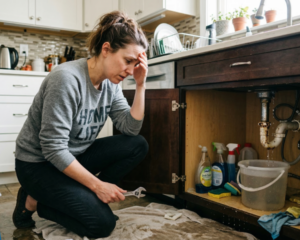 Not every plumbing problem starts with a burst pipe or a major flood. In fact, many of the most costly plumbing issues begin with something much smaller: a slow leak that goes unnoticed for weeks or even months.
 Dry spells can be a common occurrence during the summer months, and that can mean water shortages can happen. Homeowners who use a public water supply may be asked to conserve water by their municipality, or those with a well may be concerned about their system running dry. Fortunately, there are a few things you can do to keep the water flowing.
 When you have a leaking pipe in your home, you may not notice it right away. That’s why it’s important to check your pipes regularly, and call a qualified plumber right away if you discover leaky pipes. Left unrepaired, leaky pipes can cause significant damage. Luckily, you won’t have to worry when you call Boelcke Heating and Air Conditioning to help in Stevensville or the surrounding areas in Southwest Michigan. Our experienced plumbers will take care of your leaky pipes effectively and efficiently, so you and your family will enjoy better home plumbing in no time.