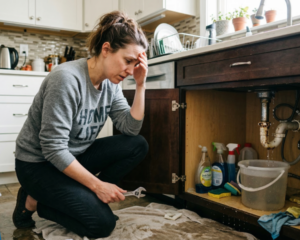
Small Plumbing Leaks That Can Become Big Problems

Not every plumbing problem starts with a burst pipe or a major flood. In fact, many of the most costly plumbing issues begin with something much smaller: a slow leak that goes unnoticed for weeks or even months.

Even a small drip can waste water, increase your utility bills, and eventually cause damage to your home. Knowing where to look and when to call a professional can help prevent small plumbing leaks from turning into big problems.

Common Places Small Leaks Can Develop

Some leaks are easy to spot, but others develop in areas that homeowners don’t check very often. A few of the most common sources of slow plumbing leaks include:

  • Faucets and showerheads that continue dripping after being turned off
  • Under-sink plumbing connections that loosen over time
  • Toilets with worn internal components that allow water to run continuously
  • Appliance connections for dishwashers, refrigerators, or washing machines
  • Outdoor hose bibs that may crack or leak after winter weather

Because these leaks often start slowly, they can go unnoticed until the damage becomes more serious.

The Hidden Damage Small Leaks Can Cause

While a dripping faucet may seem like a minor inconvenience, small leaks can create several long-term problems for your home.
Water that collects under cabinets, behind walls, or around fixtures can damage flooring, drywall, and cabinetry. Over time, persistent moisture can also lead to unpleasant odors and other indoor air quality concerns.

In addition, even small leaks can waste a surprising amount of water. A faucet that drips once per second can waste hundreds of gallons of water each year.

Signs You May Have a Hidden Plumbing Leak

Some leaks occur out of sight, but there are often warning signs that something isn’t quite right. Homeowners should keep an eye out for:

  • Unexpected increases in water bills
  • Water stains on ceilings or walls
  • Damp areas under sinks or around appliances
  • The sound of running water when fixtures are not in use
  • Musty or damp odors in certain areas of the home

If you notice any of these signs, it’s a good idea to have your plumbing system inspected.

When to Call a Professional Plumber

While some minor leaks can be fixed with simple repairs, others may indicate larger plumbing issues that require professional attention. A trained plumber can identify the source of the leak, repair damaged components, and ensure your plumbing system is operating properly. Addressing problems early helps prevent more extensive repairs later.

Protect Your Home from Plumbing Problems with Boelcke

Small plumbing leaks may seem harmless at first, but they can quickly lead to bigger issues if left unchecked. Routine inspections and timely repairs help protect your home and keep your plumbing system running smoothly.

If you suspect a leak or need help with plumbing repairs, the team at Boelcke Heating, Cooling & Plumbing is here to help. Contact us today to schedule service and keep your home’s plumbing system in top condition.
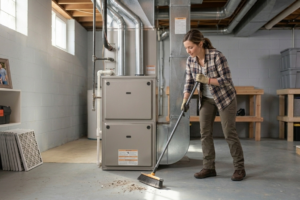
Is Your Furnace Ready for Spring? What to Do Before You Shut It Down

As temperatures begin to warm up across Michigan, many homeowners are finally ready to give their furnaces a well-deserved break. After working hard all winter to keep your home comfortable, your heating system deserves a little attention before it powers down for the season. Taking a few simple steps now can help protect your furnace, improve efficiency, and make sure it’s ready to go when cooler weather returns.
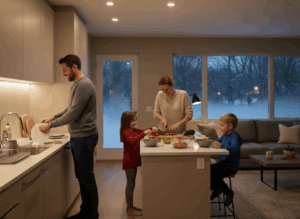
Here’s what homeowners should do before shutting down their furnace for spring.

Replace Your Air Filter

Your furnace filter works hard throughout the winter, trapping dust, debris, and airborne particles as air circulates through your home. By the end of the heating season, that filter is often clogged and restricting airflow. Replacing the filter at the end of the season helps keep your HVAC system clean and prepares it for the months ahead.

Clean Around Your Furnace

Winter can bring extra dust, storage items, and clutter into basements or utility areas where furnaces are often located. Before shutting the system down, take a few minutes to clear the area around your furnace. Keeping the space clean and unobstructed helps improve airflow and ensures the system remains accessible for future maintenance.

Check Your Thermostat Settings

Once heating season is over, you’ll want to adjust your thermostat settings for spring and summer operation. Many homeowners switch their thermostat from heat mode to cooling mode or adjust schedules to reflect changing outdoor temperatures. If you use a programmable thermostat, this is a great time to review your settings and update them for the warmer months.

Inspect Vents and Registers

Blocked vents can cause uneven airflow and make your HVAC system work harder than necessary. Walk through your home and make sure vents and registers are open and not blocked by furniture, rugs, or other household items. Good airflow helps maintain consistent comfort as your HVAC system transitions from heating to cooling.

Schedule a Spring HVAC Tune-Up

One of the best ways to protect your furnace and air conditioning system is with seasonal maintenance. A professional HVAC technician can inspect your system, clean key components, and make sure everything is ready for the upcoming cooling season. Spring maintenance helps identify potential issues early and can extend the life of your heating and cooling equipment.

Prepare Your Home for Warmer Weather with Boelcke

As Michigan moves from cold winter temperatures into milder spring weather, it’s the perfect time to make sure your HVAC system is ready for the seasonal transition. If you’d like help preparing your furnace and cooling system for spring, the team at Boelcke Heating & Air Conditioning is here to help. Contact us today to schedule seasonal HVAC maintenance and keep your home comfortable year-round.

Is Your Water Heater Working Overtime This Winter?

During the winter months, your water heater has to work harder than usual. Colder groundwater temperatures mean it takes more energy to heat the water your family uses every day, from hot showers to washing dishes and doing laundry.

If your system is already aging or struggling, winter can put extra strain on it, and that can lead to higher energy bills, reduced performance, or even unexpected breakdowns. In this article, we’ll talk about how to recognize an overworked water heater, what you can do to help it, and what we can do to help you.

Signs Your Water Heater May Be Overworking

Keep an eye out for these common warning signs:

  • Hot water runs out faster than normal
  • Water takes longer to heat up
  • Your energy bills are higher than expected
  • Strange noises like popping or rumbling
  • Water temperature is inconsistent

These issues often indicate sediment buildup, worn components, or a system that may be nearing the end of its lifespan.

How to Help Your Water Heater Perform Better

A few simple steps can help improve efficiency and extend the life of your system:

  • Lower the thermostat to around 120 degrees
  • Schedule routine maintenance to flush sediment
  • Insulate exposed hot water pipes
  • Spread out hot water usage when possible

Regular maintenance is one of the most effective ways to keep your water heater running efficiently year-round.

Know When It’s Time for an Upgrade from Boelcke

Most traditional water heaters last about 8 to 12 years. If yours is older or requires frequent repairs, replacing it with a newer, high-efficiency model can improve performance and lower energy costs.

The team at Boelcke Heating & Air Conditioning offers professional water heater maintenance, repair, and installation to help ensure your home always has reliable hot water. If you need help with your hot water, give us a call and we’ll be more than happy to schedule an appointment with you.

Breathe Easier This Winter with These IAQ Tips

When winter arrives and temperatures drop, our homes become sealed sanctuaries from the cold. Windows stay shut, doors open less often, and we rely on our heating systems to keep us comfortable. While that cozy, closed-up environment helps conserve energy and maintain warmth, it can also impact your home’s indoor air quality in ways many homeowners don’t realize.
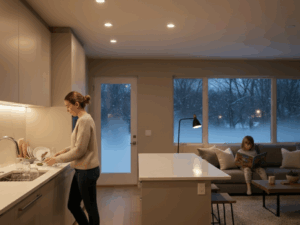
Because we spend more time indoors during winter, the quality of the air inside your home matters more than ever. Fortunately, a few simple steps can help you maintain cleaner, healthier air all season long. Keep reading to learn more!

Why Indoor Air Quality Matters in Winter

In a tightly sealed home, pollutants can build up and circulate every day. Dust, pet dander, cooking fumes, cleaning products, and even excess moisture can linger in the air without proper ventilation. Poor indoor air quality may contribute to allergy symptoms, dry skin, irritated sinuses, and general discomfort.

Winter air also tends to be drier, which can make respiratory irritation worse and allow airborne particles to stay suspended longer. Paying attention to your indoor air quality helps create a healthier environment for your entire household.

Replace Your Air Filters Regularly

One of the simplest and most effective ways to improve indoor air quality is by changing your HVAC air filter on a regular schedule. A clean filter helps trap dust, pollen, and other airborne particles before they circulate through your home.

During winter, your heating system runs more frequently, which means filters can clog faster. Check your filter at least once a month and replace it as recommended by the manufacturer. A fresh filter not only improves air quality but also helps your system run more efficiently.

Manage Humidity Levels

Winter air is often dry, and indoor heating can reduce humidity even further. Low humidity can cause dry skin, irritated sinuses, and static electricity. On the other hand, too much moisture can encourage mold growth and dust mites.

The ideal indoor humidity level is typically between 30% and 50%. A whole-home humidifier can help balance dry air, while proper ventilation in kitchens and bathrooms helps control excess moisture. Maintaining balanced humidity supports both comfort and air quality.

Keep Your Home Clean and Well Ventilated

Regular cleaning plays an important role in maintaining healthy indoor air. Vacuum carpets and rugs with a high-quality filter vacuum, dust surfaces with a damp cloth, and wash bedding frequently to reduce allergens.

Even in winter, occasional ventilation can help refresh indoor air. Briefly opening windows for a few minutes on milder days or using exhaust fans in kitchens and bathrooms helps remove stale air and indoor pollutants without significantly affecting indoor temperatures.

Consider Indoor Air Quality Solutions

If you or your family members struggle with allergies, asthma, or respiratory sensitivities, additional indoor air quality solutions may be worth considering. Whole-home air purifiers, advanced filtration systems, and UV air cleaners can work alongside your HVAC system to reduce airborne contaminants.

Professional maintenance also plays a key role. A seasonal heating tune-up ensures your system is operating safely and efficiently while helping maintain proper airflow and filtration.

Create a healthier winter home with Boelcke.

Your home should be a place of comfort, especially during the coldest months of the year. By taking a few proactive steps, such as replacing filters, managing humidity, cleaning regularly, and exploring air quality upgrades, you can create a healthier indoor environment for your family.

If you’d like expert guidance on improving your home’s indoor air quality this winter, the Boelcke team is here to help. From system maintenance to advanced air quality solutions, we can recommend options tailored to your home and your needs.

How to Prevent Frozen Pipes During Michigan Winters

Frozen pipes are one of the most common winter plumbing problems Michigan homeowners face. When water freezes, it expands, putting pressure on pipes and increasing the risk of bursts and water damage. Fortunately, a few preventive steps can greatly reduce the risk.

Keep Vulnerable Pipes Warm

Pipes in basements, crawl spaces, garages, and exterior walls are especially vulnerable. Insulating exposed pipes and sealing drafts can help protect them from freezing temperatures.

Let Faucets Drip During Extreme Cold

Allowing a small trickle of water to flow through faucets connected to vulnerable pipes can relieve pressure and reduce the chance of freezing during severe cold snaps.

Open Cabinet Doors

On especially cold days, opening cabinet doors under sinks allows warm air to circulate around pipes, an easy but effective preventative measure.

Disconnect Outdoor Hoses

Outdoor hoses left connected can trap water and lead to frozen pipes inside the home. Disconnect hoses and shut off exterior water supplies before temperatures drop.

Know the Warning Signs

Reduced water flow or unusual sounds when turning on faucets may indicate a frozen pipe. Acting quickly can prevent a burst and minimize damage.

If a pipe does freeze: Shut off the water supply and call a professional right away. Never use open flames to thaw pipes.

Need help with your plumbing? Trust Boelcke.

Preventing frozen pipes is far easier (and less stressful) than dealing with water damage. A few proactive steps can protect your home all winter long. But, if you do find yourself in a plumbing emergency, Boelcke can help.

Our experienced team is ready to answer your questions, address concerns, and keep your plumbing running smoothly year-round. Just give us a call and we’ll be happy to schedule an appointment at a time that works for you.

How to Keep Your Furnace Running Strong During Michigan Winters

Michigan winters put your furnace to the test. When temperatures drop, and your system is running day and night, even small issues can turn into uncomfortable (and costly) problems. The good news? A few simple steps can help keep your furnace running efficiently and reliably all winter long.

Change Your Air Filter Regularly

A dirty air filter restricts airflow, forcing your furnace to work harder than it should. During the winter months, filters should be checked monthly and replaced as needed. Clean filters improve efficiency, help maintain consistent comfort, and support healthier indoor air.

Pay Attention to Unusual Noises

Rattling, banging, or whistling sounds aren’t just annoying; they can be early warning signs of mechanical issues. Addressing unusual noises early can prevent breakdowns during the coldest days of the year.

Keep Vents and Registers Clear

Blocked vents reduce airflow and strain your system. Make sure furniture, rugs, and curtains aren’t covering registers, especially in rooms that tend to feel colder.

Schedule Professional Maintenance

Routine furnace maintenance helps identify small issues before they turn into major repairs. A professional tune-up can improve efficiency, extend the life of your system, and give you peace of mind during Michigan’s coldest months.

Know When to Call for Help

If your furnace is struggling to keep up, cycling frequently, or producing uneven heat, it’s best to call a professional. Prompt service can often restore comfort and prevent emergency breakdowns.

Boelcke can help meet your heating needs this winter.

A well-maintained furnace is crucial for staying warm and comfortable throughout the winter. A little attention now can go a long way when Michigan weather is at its worst. Boelcke is here for you. Our experienced team is ready to address your questions and concerns and ensure your home remains comfortable year-round. Just give us a call, and we’ll be happy to schedule an appointment at a time that works for you.

HVAC Safety Tips for a Safe and Warm Winter Season

The winter season brings cozy gatherings, festive decorations, and colder temperatures across Michigan. While your heating system works hard to keep your home warm, it’s important to keep safety top of mind, especially when homes are busier and systems are running more often than usual.

Here are a few essential HVAC safety tips to help ensure a warm, comfortable, and safe winter season for you and your family.

Schedule Heating System Maintenance Early

A professional heating system inspection helps ensure your furnace or boiler operates safely and efficiently during the coldest months of the year.

Routine maintenance can:

  • Identify potential fire hazards
  • Improve system efficiency
  • Reduce the risk of unexpected breakdowns
  • Ensure proper ventilation and airflow

Scheduling service helps provide peace of mind when your home is full of family and friends.

Keep Vents and Heating Equipment Clear

With seasonal décor, extra furniture, and gift boxes, it’s easy to accidentally block heating vents or equipment.

To stay safe:

  • Keep vents unobstructed for proper airflow
  • Maintain clear space around furnaces and boilers
  • Avoid storing decorations, wrapping paper, or boxes near heating equipment

Proper airflow not only improves comfort but also reduces overheating risks.

Practice Fireplace and Space Heater Safety

Fireplaces and space heaters can add warmth and ambiance, but they should be used carefully.

Important safety tips include:

  • Never leave fireplaces or space heaters unattended
  • Keep flammable items at least three feet away
  • Use only approved fuels and follow manufacturer guidelines
  • Turn off space heaters before leaving the room or going to bed

If you rely on supplemental heating, using it responsibly is key to preventing fires.

Be Aware of Carbon Monoxide Risks

Carbon monoxide (CO) is a colorless, odorless gas that can pose serious health risks. Heating systems that burn fuel, such as gas, oil, or propane, can produce carbon monoxide if not functioning properly.

To protect your home:

  • Install carbon monoxide detectors on every level of your home
  • Test detectors regularly and replace batteries as needed
  • Never operate fuel-burning appliances in enclosed or poorly ventilated spaces

If a carbon monoxide alarm sounds, leave the home immediately and contact emergency services.

Check Your Home’s Air Quality and Ventilation

With doors and windows closed tight during winter, indoor air quality can suffer.

Simple steps to improve air quality include:

  • Replacing HVAC air filters regularly
  • Keeping vents clean and open
  • Considering whole-home air quality solutions if needed

Cleaner air supports both comfort and health during a busy holiday season.

Trust Boelcke for Safe, Reliable Winter Comfort

Keeping your home warm shouldn’t come at the expense of safety. With proper maintenance, safe heating practices, and awareness of potential hazards, you can enjoy the holidays with confidence.

Boelcke provides trusted heating services, maintenance, and safety inspections to help Michigan homeowners stay comfortable all winter long. If you have questions about your heating system or would like to schedule service, our team is ready to help. Just give us a call and we will be more than happy to assist you.

Common Bathroom Plumbing Problems and How to Prevent Them

Bathroom plumbing works hard every day, so it’s no surprise that issues can pop up from time to time. The good news is that many of the most common problems are easy to spot early and are often preventable. Here’s a quick guide to help you keep your bathroom running smoothly.

Leaky Faucets

A dripping faucet wastes water and can drive up your bill.

  • Why it happens: worn washers, loose parts, or mineral buildup.
  • Try this: tighten connections or replace the faucet’s washer or cartridge.
  • Prevent it: clean around the faucet regularly to reduce buildup.

Clogged Drains

Hair, soap, and everyday debris are the usual culprits.

  • Signs: slow draining, gurgling, or bad odors.
  • Try this: use a drain screen, remove visible debris, or use a gentle drain cleaner.
  • Prevent it: clean the screen weekly and avoid flushing anything other than water and soap residue.

Running Toilets

A constantly running toilet wastes a surprising amount of water.

  • Common causes: a worn flapper, a tangled chain, or a faulty fill valve.
  • Try this: check the chain and float or replace the flapper; it’s a quick, inexpensive fix.
  • Prevent it: inspect tank components every few months to catch wear early.

Low Water Pressure

If your shower feels weaker than usual, buildup may be to blame.

  • Try this: remove and soak the showerhead in vinegar to clear mineral deposits.
  • If it continues: the issue may be inside the plumbing and should be checked by a professional.

Dripping Showerheads

Often caused by worn rubber washers or loose connections.

  • Try this: remove and clean the showerhead and replace any worn washers.
  • Prevent it: regular descaling helps keep everything sealed and working properly.

A Little Maintenance Goes a Long Way

Most bathroom plumbing problems start small, and catching them early can save time, money, and stress. If you notice persistent leaks, clogs, or pressure issues, the licensed plumbers at Boelcke are here to help. We can diagnose problems quickly and provide reliable solutions to keep your bathroom in great shape. Just give us a call and we will be happy to help meet your plumbing needs.

Upgrade Your Heating Before the Federal Tax Credit Ends

If you’ve been thinking about updating your home heating system, now is a great time to take action. The federal tax credit for qualifying heating upgrades, including heat pumps, is currently $2,000, but it’s set to expire on December 31, 2025.

In this article, we’ll share some great reasons to upgrade your heating system now, and share some more information on the tax credit that’s coming to an end. And, we’ll explain how Boelcke can help. Keep reading to learn more!

Why Consider Updating to a Heat Pump System?

Modern high-efficiency heat pump systems aren’t just about saving money, though they do that, too. They also offer:

  • Year-round comfort: Heat pumps provide both heating in winter and cooling in summer.
  • Energy efficiency: New systems use less energy, lowering your monthly bills.
  • Environmental benefits: Reducing energy consumption helps shrink your carbon footprint.
  • Reliable performance: Upgrading old equipment means fewer repairs and more consistent home comfort.

How the Federal Tax Credit Works
Homeowners can claim $2,000 for qualifying equipment installed before the end of the year. It’s a straightforward way to offset the cost of upgrading to a more efficient system.

Timing Matters
With the deadline approaching, now is the ideal time to schedule a consultation. Our team can help you select the right system for your home, ensure it qualifies for the tax credit, and make installation as smooth as possible.

Let Boelcke help you get into a heat pump system this fall.

Don’t miss out on this opportunity to improve your home comfort while taking advantage of federal savings. Contact Boelcke Heating & Air Conditioning today to learn more and schedule your upgrade.

Stay Comfortable Year-Round with HVAC Maintenance

Your home’s heating and cooling system works hard to keep you comfortable all year long. But like any complex piece of equipment, it performs best when it receives regular attention. Annual HVAC maintenance is not just nice to have; it’s essential for keeping your system efficient, reliable, and safe.

Prevent Costly Breakdowns

Small issues can quickly turn into major headaches. A worn belt, a clogged filter, or a low refrigerant level may seem minor, but left unchecked, these problems can lead to unexpected system failures and expensive repairs. Regular tune-ups catch issues early before they become disruptive or costly.

Boost Efficiency and Lower Energy Bills

A system that isn’t maintained regularly can work harder than necessary, wasting energy and driving up your utility bills. During annual maintenance, our technician will clean coils, lubricate motors, and optimize settings; all of which keep your system running at peak efficiency and save you money over time.

Extend the Life of Your System

Your HVAC system is a significant investment. Regular maintenance helps it last longer, protecting your investment and delaying the need for costly replacements. With consistent care, furnaces, heat pumps, and air conditioners can reliably serve your home for many years.

Ensure Safety and Comfort


Annual maintenance also provides peace of mind. Our technicians can identify safety concerns such as carbon monoxide leaks, refrigerant issues, or electrical problems, ensuring your home remains safe and comfortable for your family.

Boelcke can help you get the annual HVAC maintenance you need.

Scheduling an annual HVAC check-up with Boelcke is one of the simplest ways to protect your home, your budget, and your family’s comfort. By investing in regular maintenance, you’re keeping your system running efficiently, avoiding unexpected repairs, and enjoying a safe, cozy home year-round.

Let us help you keep your home comfortable, no matter what the season – just give us a call and we will be happy to schedule your maintenance appointment with you.